Palo Alto balances a fast-paced technology ecosystem with deep educational roots and a vibrant residential community. From bustling offices near University Avenue and Stanford Research Park to active school campuses, childcare facilities, and local sports leagues, emergency-preparedness is a practical priority for many residents. People working in biotech, education, retail, and neighborhood services often look for reliable training options close to home.
Whether you need training to fulfill a workplace safety standard, prepare for a childcare role, or gain confidence as a family caregiver, understanding your options is the first step. Finding accredited instruction that fits your schedule helps you acquire real-world skills without unnecessary hassle.
Quick Answer / Key Takeaway
Individuals seeking American Red Cross CPR and First Aid certification classes in Palo Alto can explore training formats that align with their specific workplace, educational, childcare, or personal readiness goals. Programs generally combine classroom instruction with hands-on skill sessions to build practical response capabilities.
What Are American Red Cross CPR and First Aid Classes?
Emergency-response education covers several distinct yet complementary skill sets designed to help bystanders manage sudden medical events.
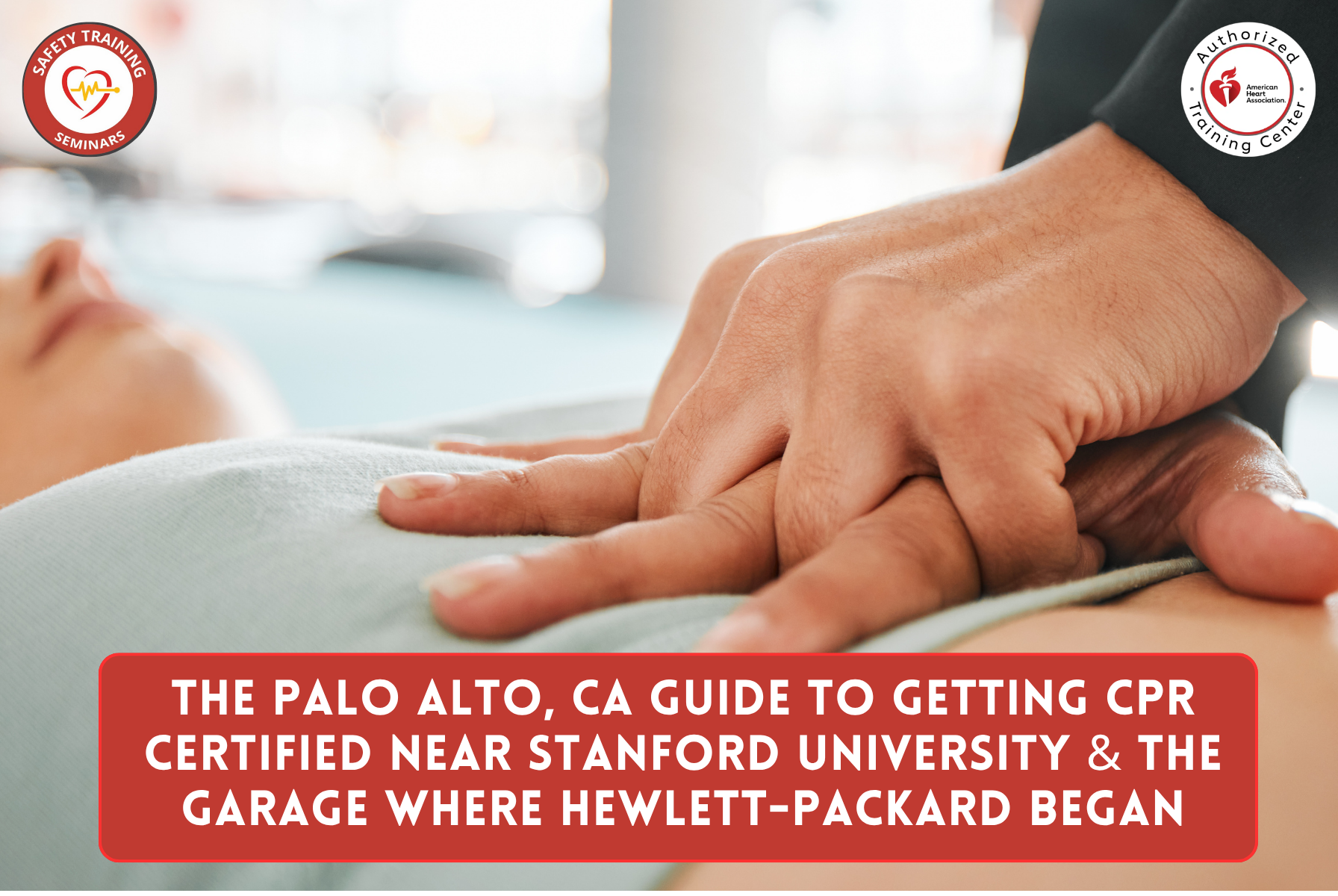
Cardiopulmonary resuscitation focuses on restoring blood circulation and breathing when an individual experiences cardiac arrest. Training typically involves chest compressions and rescue breaths, with variations for adult, child, and infant patients depending on the specific curriculum.
First Aid education addresses a broader spectrum of unexpected health incidents. Participants learn how to evaluate an accident scene, manage bleeding, assist individuals experiencing sudden illness or allergic reactions, and stabilize minor injuries until professional medical help arrives.
Automated External Defibrillator training is frequently integrated into these programs. An AED is a portable electronic device that analyzes heart rhythms and delivers an electrical shock if necessary to restore a normal heartbeat during sudden cardiac arrest.
Many learners choose combined courses because emergency situations rarely present themselves with clear boundaries. A comprehensive training format ensures participants understand how CPR, First Aid, and AED usage work together in a real crisis. Because requirements vary widely by employer, school district, or professional licensing board, individuals should always verify their exact prerequisites before enrolling in a course.
CPR Training in Palo Alto
Palo Alto professionals, athletic coaches, and community members frequently encounter environments where basic life support skills are valuable. CPR training is categorized by the age group of the patient, ensuring learners practice techniques suited to different physical needs:
- Adult CPR: Focuses on adolescent and adult cardiac arrest response, emphasizing compression depth and rate.
- Child CPR: Adapts techniques for younger patients from the age of one up to puberty.
- Infant CPR: Teaches modified compression and rescue breath methods tailored for newborns and infants under one year old.
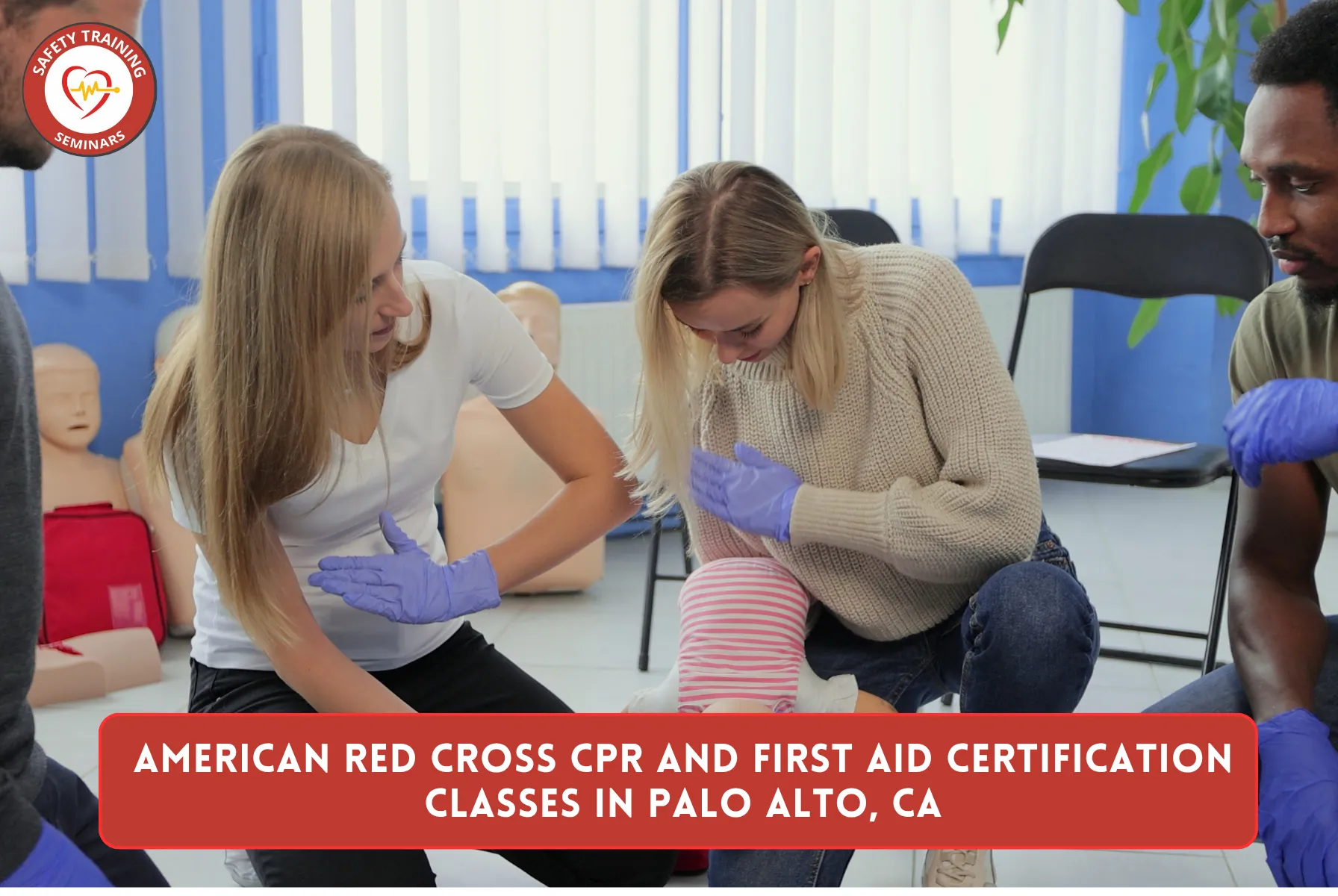
Hands-on practice using manikins allows learners to build muscle memory and confidence. While online modules cover the theoretical background, physical practice under instructor supervision ensures participants can perform effective chest compressions and properly operate rescue equipment under pressure.
First Aid and AED Training in Palo Alto
Beyond cardiac events, daily life in busy community settings introduces a range of scenarios where First Aid knowledge is essential. Teachers, fitness instructors, office managers, and retail workers often look for structured guidance on handling environmental injuries, sudden physical trauma, or medical distress.
First Aid courses teach systematic approaches to assessing responsiveness, controlling bleeding, managing burns, and recognizing signs of stroke, diabetic emergencies, or severe allergic reactions. When paired with AED education, these classes prepare responders to act decisively during the critical minutes before emergency medical services arrive at the scene.
Who Typically Takes CPR and First Aid Classes?
Emergency-response training is relevant across a diverse cross-section of the local population. While some individuals enroll purely for personal peace of mind, others do so to satisfy specific organizational expectations.
- Teachers and Childcare Providers: Early childhood educators, school staff, and daycare workers often complete training to meet licensing standards and ensure child safety in classrooms and playgrounds.
- Workplace Employees: Designated safety personnel, office administrators, and industrial workers frequently participate in corporate safety initiatives.
- Coaches and Fitness Professionals: Personal trainers, youth sports coaches, and aquatic staff maintain certification to protect clients and athletes during physical activities.
- Parents and Family Caregivers: Relatives of young children or aging adults learn response techniques to manage household medical emergencies safely.
- Students: High school, college, and vocational students often complete certification programs as part of clinical prerequisites, nursing applications, or campus employment requirements.
How to Choose the Right Course
Selecting the appropriate curriculum depends entirely on your intended application. Reviewing standard training tiers helps clarify which format fits your daily responsibilities:
| Training Type | Typical Focus | Primary Application |
| CPR | Chest compressions, rescue breaths, choking relief | Basic cardiac emergency response |
| First Aid | Wound care, medical emergencies, environmental injuries | General workplace and community safety |
| CPR/AED | Combined cardiac response and defibrillator operation | Fitness facilities, offices, public venues |
| First Aid/CPR/AED | Comprehensive emergency management for multiple scenarios | Comprehensive workplace, childcare, and educator requirements |
Always confirm exact compliance rules with your employer, school administrator, licensing organization, or human resources department before registering to ensure your chosen class satisfies all institutional mandates.
Local Palo Alto Training Considerations
Palo Alto’s unique mix of academic institutions, bustling retail districts, healthcare offices, and technology hubs creates diverse safety training needs. Employees commuting along El Camino Real or working near California Avenue often look for accessible training sites that minimize travel time during busy workweeks.
Local fitness centers, community centers, and youth sports leagues frequently coordinate group training sessions to keep staff compliant with internal safety policies. Meanwhile, student groups and healthcare applicants navigating requirements for nearby clinical rotations look for straightforward scheduling options. Finding a local training environment that offers convenient access points from neighboring communities like Menlo Park, Mountain View, and East Palo Alto makes ongoing certification maintenance much simpler.
Safety Training Seminars in Palo Alto
For residents and workers seeking reliable instruction, [Safety Training Seminars Palo Alto CPR Training Center Address: 467 Hamilton Avenue, Suite 5, Palo Alto, CA 94301] offers a dedicated local option. Taking classes at a nearby facility allows participants to complete required training components without traveling far from home or the office.
Reviewing current course descriptions, class formats, and registration details on the Safety Training Seminars Palo Alto CPR training page helps you identify the exact program matching your schedule. For broader regional scheduling options, you can also explore the Palo Alto CPR and BLS course directory. Be sure to double-check your organization’s specific documentation guidelines before booking your session.
Why Choose Safety Training Seminars for CPR and First Aid Training in Palo Alto, CA
Choosing a local provider offers distinct advantages for busy professionals and community members alike. Safety Training Seminars focuses on delivering structured American Red Cross certification classes in a streamlined, accessible format.
Participants benefit from clear course information, straightforward registration procedures, and a convenient downtown location on Hamilton Avenue. By combining comprehensive digital learning components with supportive, hands-on classroom practice, the center helps learners build the practical confidence necessary to respond effectively in an emergency.
Frequently Asked Questions
What CPR classes are available in Palo Alto?
Local training options typically include adult, child, and infant CPR courses, often paired with AED and First Aid modules. Programs range from basic community readiness classes to comprehensive certifications tailored for specific workplace environments.
Does First Aid training include CPR instruction?
Not automatically. While many standard programs combine First Aid, CPR, and AED training into a single session, standalone First Aid courses focus strictly on injury and illness management without CPR techniques. Review the course syllabus before registering.
Who commonly needs CPR and First Aid certification?
Certification is frequently required for teachers, daycare providers, personal trainers, construction workers, corporate safety personnel, and students entering healthcare or childcare fields. Requirements depend entirely on employer policies and state regulations.
How do I verify my employer’s specific course requirements?
Always consult your human resources department, safety coordinator, or school administrator directly. Asking for written documentation of the exact American Red Cross course code or curriculum required ensures you register for the correct class the first time.
Is hands-on practice included in these classes?
Yes. American Red Cross certification courses incorporate hands-on skill practice using practice manikins and training equipment under the supervision of an experienced instructor to ensure physical competency.
Conclusion
Obtaining your certification equips you with the knowledge and confidence to handle unexpected health emergencies calmly and effectively. Whether you are fulfilling a corporate safety requirement, upgrading your professional credentials, or preparing to protect your family, choosing the right curriculum matters. Review your organization’s guidelines, explore local class availability at Safety Training Seminars, and take the next step toward becoming a capable, prepared responder in Palo Alto.