Why Palo Alto Childcare Providers Explore EMSA Training
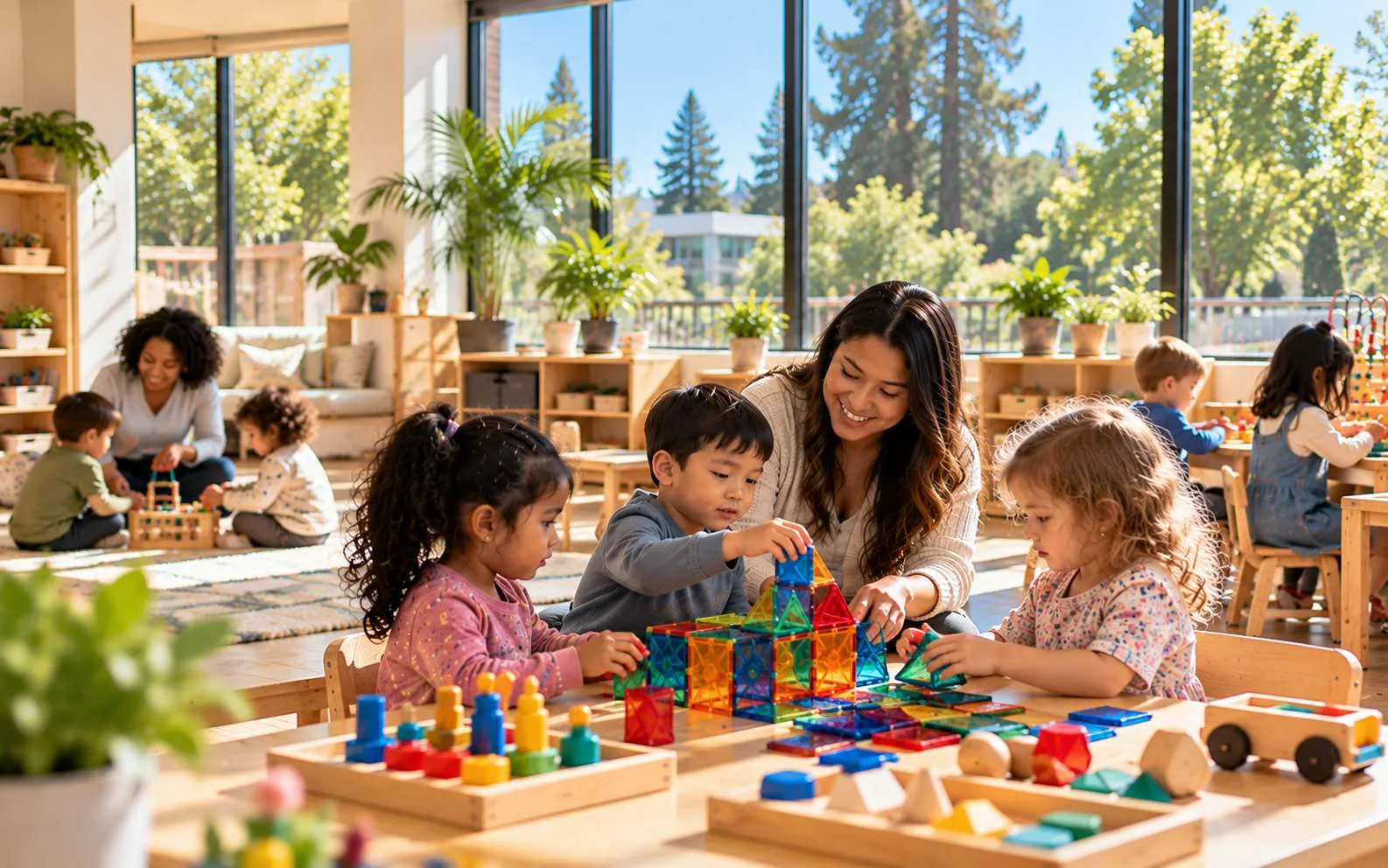
Palo Alto’s childcare environment includes home-based care, preschool programs, and early learning settings serving families connected to the city’s residential neighborhoods, Stanford University, and the surrounding Silicon Valley employment centers. Providers may be responsible for children with different dietary needs, health considerations, and developmental stages.
Preventive Health and Safety education helps caregivers understand how everyday decisions affect children’s health. Examples include cleaning shared toys, handling meals safely, following food-allergy plans, and maintaining hygienic diaper-changing areas. These responsibilities apply whether care takes place in a licensed Family Child Care Home or a Child Care Center.
For people seeking EMSA training near Palo Alto, a local course option can make it easier to investigate relevant training without looking exclusively at providers in neighboring cities. Safety Training Seminars provides a Palo Alto location for prospective learners to explore. Course details and registration information should be checked before making plans to attend.
Understanding EMSA Preventive Health Practices
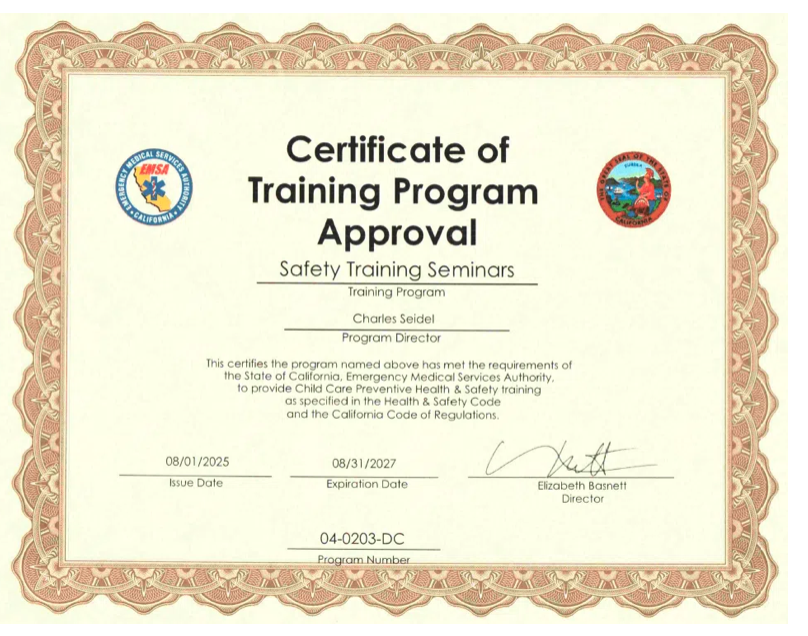
The California Emergency Medical Services Authority (EMSA) is associated with training standards for childcare health and safety education. Preventive Health Practices focuses on reducing risks to children’s health through appropriate daily care routines and a safer physical environment.
Rather than concentrating only on emergency response, preventive education helps childcare professionals recognize situations that may contribute to illness or injury before a problem develops. This includes understanding hygiene procedures, safe food handling, environmental cleanliness, children’s nutritional needs, and precautions related to lead exposure.
For example, a caregiver who understands cross-contamination can keep diaper-changing activities separate from food preparation. A staff member who recognizes a potential environmental hazard can report it promptly and follow the facility’s established procedures. The specific curriculum and documentation depend on the course selected. Learners should verify that a provider offers the appropriate EMSA-related Preventive Health Practices course rather than assuming that every childcare health and safety class satisfies the same requirements.
California Licensing Rules for Child Care Centers and Family Child Care Homes
California childcare health and safety requirements are administered through the California Department of Social Services (CDSS) and its Community Care Licensing Division. The rules distinguish between different facility types, positions, and training obligations.
Under California Health and Safety Code Section 1596.866, specified childcare personnel and licensees must complete applicable health and safety training. The requirements address Preventive Health Practices, pediatric CPR, and pediatric first aid, but these components should not be treated as interchangeable. A Family Child Care Home licensee may have different responsibilities from an assistant working in a larger Child Care Center. Employer policies and current licensing requirements may also affect which courses an individual needs.
Before choosing an EMSA Childcare Health & Safety Certification course, review the relevant California childcare laws and regulations and confirm your requirements with Community Care Licensing or your licensing analyst. Course completion should not be assumed to guarantee compliance with every licensing obligation.
Preventing Environmental Health Risks in Childcare Settings
Palo Alto’s mix of residential neighborhoods, home-based childcare, and larger early learning programs makes environmental health a practical consideration for local providers. A healthy childcare setting depends on routines that address cleanliness, ventilation, safe storage, and the condition of indoor and outdoor spaces.
Kitchen hygiene is particularly important when meals and snacks are prepared on-site. Staff should follow appropriate food storage and cleaning procedures, keep food-preparation areas separate from diapering activities, and reduce opportunities for contamination.
Bathroom and diapering sanitation require similar attention. Caregivers should follow established handwashing, surface-cleaning, and waste-disposal procedures. Shared toys and frequently touched surfaces should be cleaned according to their use and the applicable facility procedures. Air quality also matters, particularly for young children and those with respiratory sensitivities. Childcare providers should follow facility procedures for ventilation, filter maintenance, moisture control, and reporting possible mold or other environmental concerns.
Preventive Health Practices education helps caregivers understand why these routines matter and how consistent procedures can reduce avoidable health risks. When a concern exceeds a caregiver’s responsibility, the appropriate response is to notify the facility operator or follow the relevant reporting procedure.
Lead Exposure Prevention and Healthy Child Development
Lead poisoning prevention deserves specific attention in childcare settings because young children can be exposed to lead through contaminated dust, soil, or deteriorating lead-based paint. Exposure may occur without immediately noticeable symptoms, and young children are particularly vulnerable to its effects.
Childcare providers should know how to recognize potential environmental hazards and follow procedures for reporting them. Practical precautions include keeping children away from deteriorating painted surfaces, using appropriate cleaning methods to control dust, and notifying the responsible facility operator when a possible hazard is identified.
California’s Preventive Health Practices curriculum includes lead poisoning prevention content for applicable training requirements. The California Childcare Health Program at UCSF provides an EMSA-approved curriculum resource that includes lead prevention and nutrition instruction. Review its Preventive Health Training resources for further information.
For Palo Alto childcare operators, these practices can inform decisions about maintaining safe play areas, monitoring building conditions, and responding appropriately to environmental concerns. Providers should rely on qualified professionals and relevant public health authorities when an environmental assessment or remediation is needed.
Childcare Nutrition and Individual Health Needs
Nutrition education helps caregivers make informed decisions about meals, snacks, and children’s dietary needs. California’s applicable training requirements include childhood nutrition instruction, covering age-appropriate meal patterns and related nutrition practices.
In everyday childcare, staff may need to accommodate food allergies, specialized diets, and feeding instructions provided by families. Clear communication and consistent food-handling procedures help reduce the risk of accidental exposure to allergens.
Children with diabetes or other health conditions may have individualized dietary or care plans. Caregivers should follow authorized instructions, maintain appropriate communication with families, and avoid making independent medical decisions. Feeding difficulties or concerns about growth should be shared with parents or guardians through the facility’s established procedures.
Dental health also connects with daily nutrition. Offering suitable meals and snacks, encouraging appropriate oral hygiene routines, and limiting frequent sugary snacks can support children’s general well-being.
For professionals seeking EMSA Childcare Health & Safety Certification, understanding these practices helps connect classroom routines with the broader goals of preventive health education.
Childcare Resources Around Palo Alto
Palo Alto has established resources for people working in early childhood education. The City of Palo Alto maintains a Child Care Resources directory that includes information about licensed childcare centers and homes, provider resources, and local early learning services. This is useful for people exploring the local childcare sector or preparing to establish a program.
The city also identifies Palo Alto Community Child Care (PACCC) as a local resource for childcare programs and professional development. These community resources provide context for the range of childcare settings in which health and safety knowledge is relevant. They should not be interpreted as endorsements of any particular training provider.
Healthcare resources are also part of Palo Alto’s family-support environment. Lucile Packard Children’s Hospital Stanford, located in Palo Alto, focuses on pediatric and obstetric care. Its presence highlights the importance of understanding children’s health, although it does not imply an affiliation with Safety Training Seminars.
Childcare professionals from Menlo Park, Mountain View, Los Altos, and Sunnyvale may also consider Palo Alto when researching nearby training options.
Registering for the Palo Alto EMSA Course
Safety Training Seminars provides a local training option for people researching EMSA Preventive Health and Safety education in Palo Alto.
The training center address is 467 Hamilton Avenue, Suite 5, Palo Alto, CA 94301.
Before registering, review the course information and confirm the curriculum, approval status, completion documentation, and any prerequisites relevant to your situation. If your licensing analyst or employer has specified a particular course, verify that the selected program satisfies that requirement.
Visit the Safety Training Seminars website to explore available course information and registration options. Confirm current availability directly rather than assuming a particular date, format, or schedule.
Build a Stronger Foundation in Childcare Health and Safety
For childcare professionals in Palo Alto and neighboring Santa Clara County communities, EMSA Preventive Health and Safety education provides practical knowledge about children’s nutrition, sanitation, infectious disease prevention, and lead exposure risks. Understanding these subjects helps caregivers maintain safer routines and recognize responsibilities associated with California childcare licensing.
Safety Training Seminars offers a Palo Alto location for individuals exploring the appropriate course. Review the available registration details, confirm that the curriculum meets your specific requirements, and choose training that supports both your professional responsibilities and the health of the children in your care.